Gaziosmanpaşa / İstanbul · Store & Warehouse Mon - Sat 09:00 - 18:00 Nationwide delivery & export +90 212 614 30 28

Epoxy floor coating materials and application guide

Solvent-free, two-component epoxy systems for factory, warehouse, car park, hospital, retail and residential floors. Get primer, main coat and top coat from one supplier, and let us calculate the quantity for your area.

  • Solvent-free, low-odour systems
  • Coverage calculation per m²
  • Technical support throughout

Which system suits you?

Choose the application area and we will send the right product and quantity on WhatsApp.

Phone: +90 212 614 30 28

What is epoxy floor coating?

Seamless, hygienic, long-lasting floors

Epoxy floor coating is a two-component system made by mixing resin and hardener and applied over concrete or screed. Once cured it forms a seamless, glossy surface that is easy to clean.

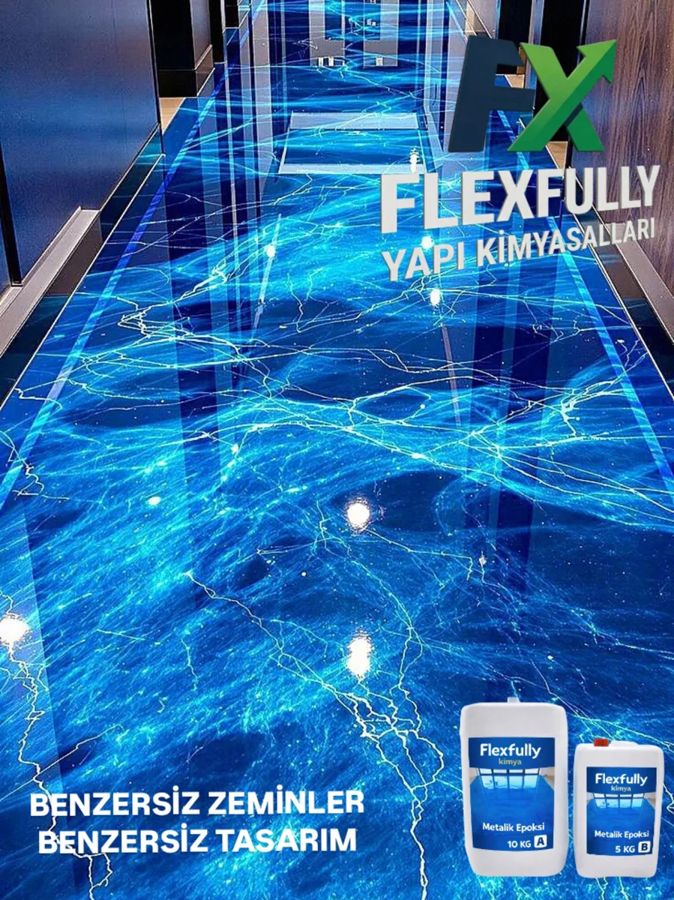
Because it resists impact, abrasion, oil and many chemicals, it is the preferred choice for industrial sites, car parks and hygiene-critical areas. With colour options and metallic or liquid-marble effects, it is also used decoratively in homes and shops.

A good result depends on the right system, sufficient thickness and proper surface preparation. Review the systems below, or send us a photo of your area and we will choose the best option together.
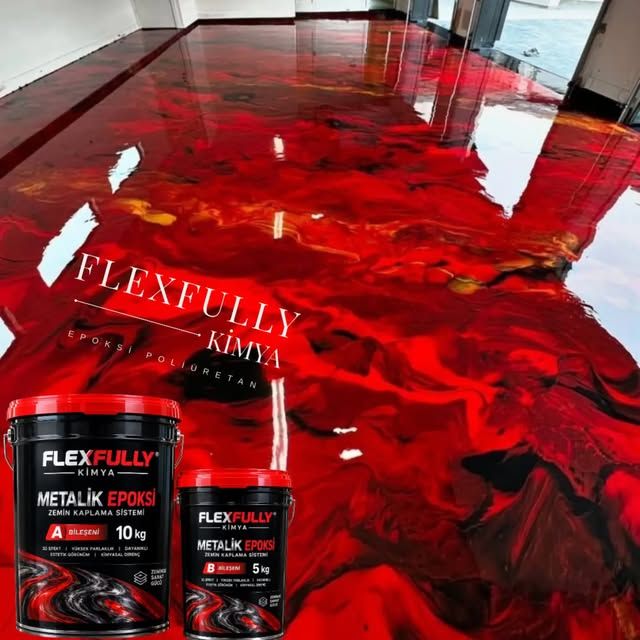
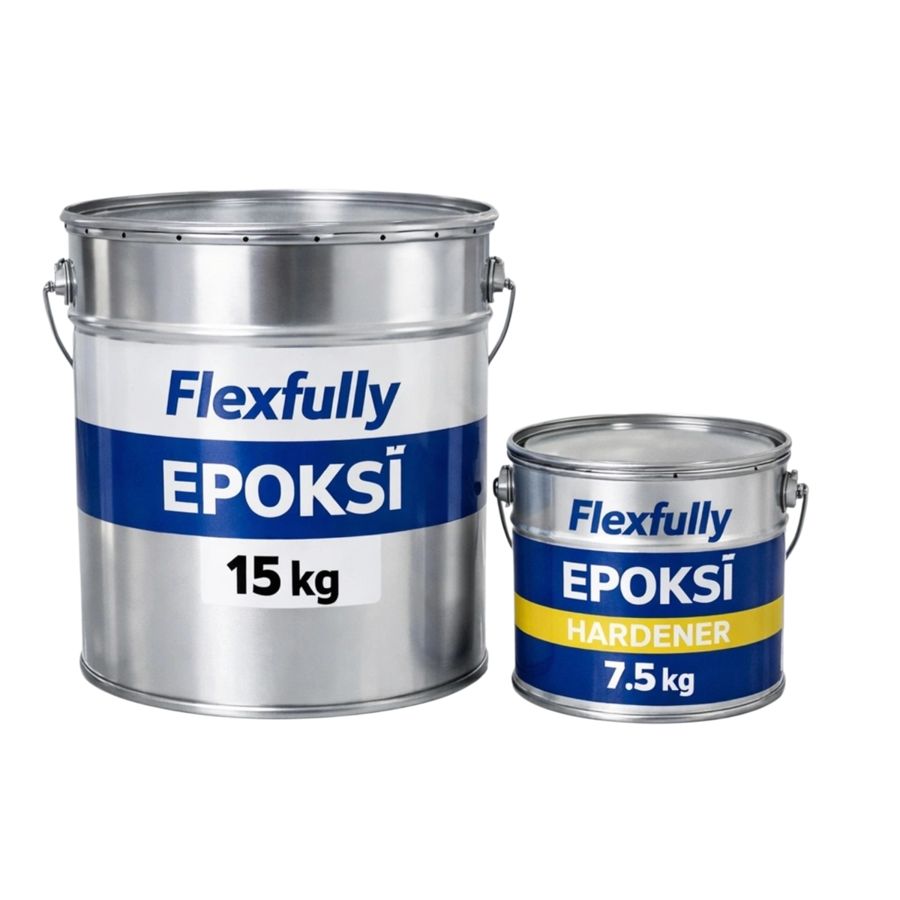
Epoxy Floor Coating - Flexfully Kimya
Where it is used
Factories & workshops
Warehouses & hangars
Car parks & ramps
Hospitals, schools, nurseries
Shops & showrooms
Homes, garages, offices
Systems

Epoxy floor coating systems

Choose from four core systems depending on traffic, budget and the desired finish.

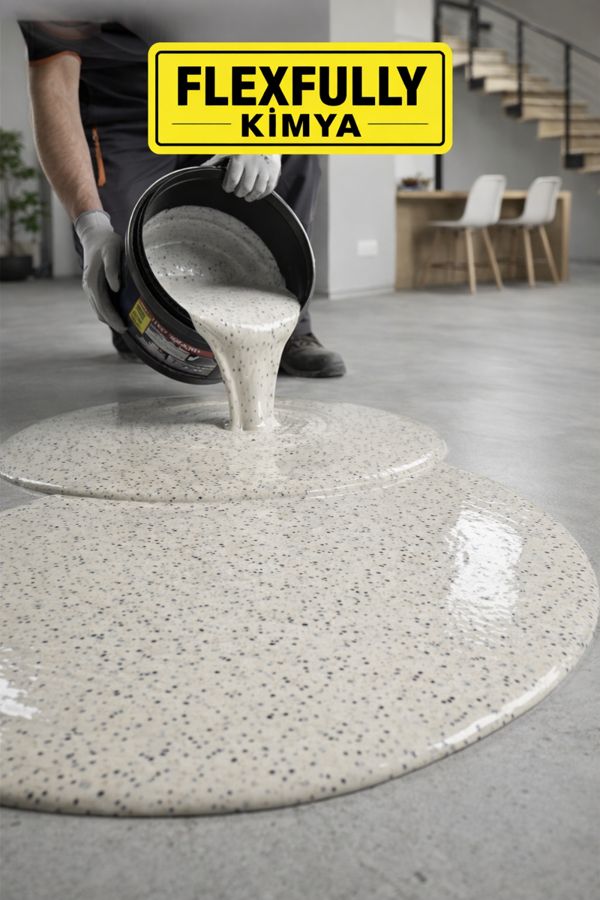
Self-leveling epoxy

A thick coating spread with a trowel and de-aerated with a spiked roller; it levels itself into a smooth, glossy, durable surface.

Thickness
1 - 3 mm
Typical use
Factories, warehouses, hospitals
Application
Trowel + spiked roller

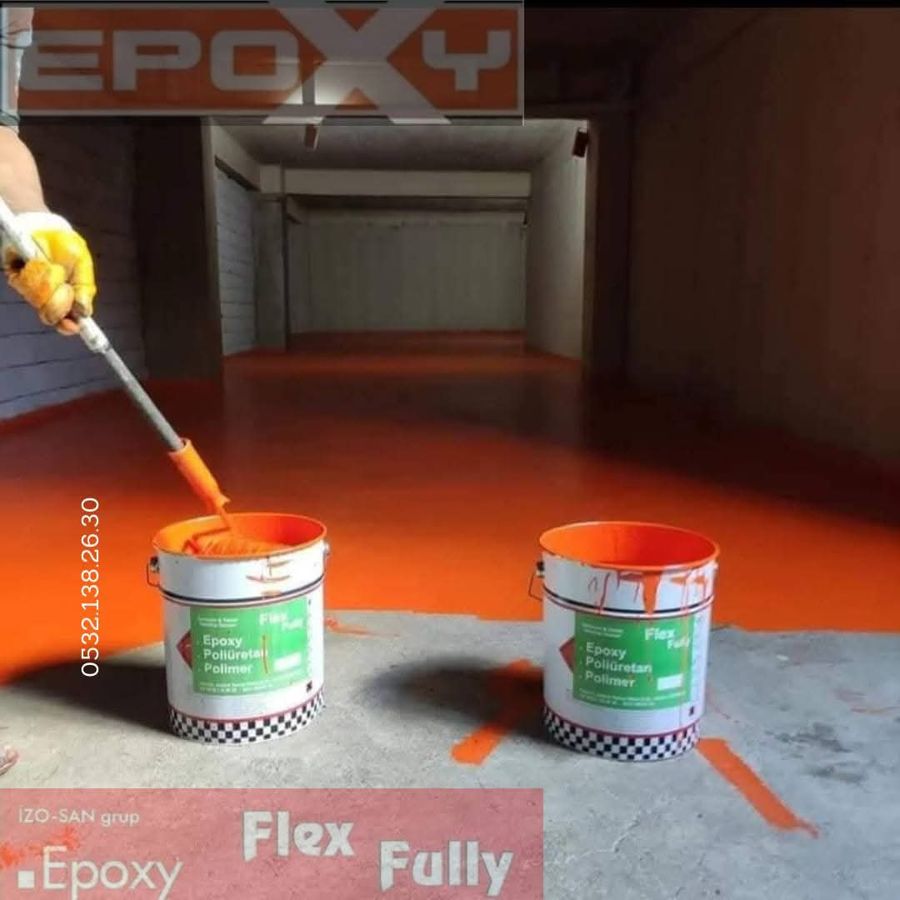
Epoxy floor paint (roller)

A thin-film coating applied in two coats by roller – an economical choice for light to medium traffic.

Thickness
Thin film
Typical use
Workshops, garages, stores
Application
Roller, 2 coats

Metallic & liquid-marble epoxy

A decorative system using metallic pigments for a marble-like, three-dimensional look. Every floor is unique.

Thickness
1 - 2 mm
Typical use
Homes, shops, offices
Application
Trowel + patterning

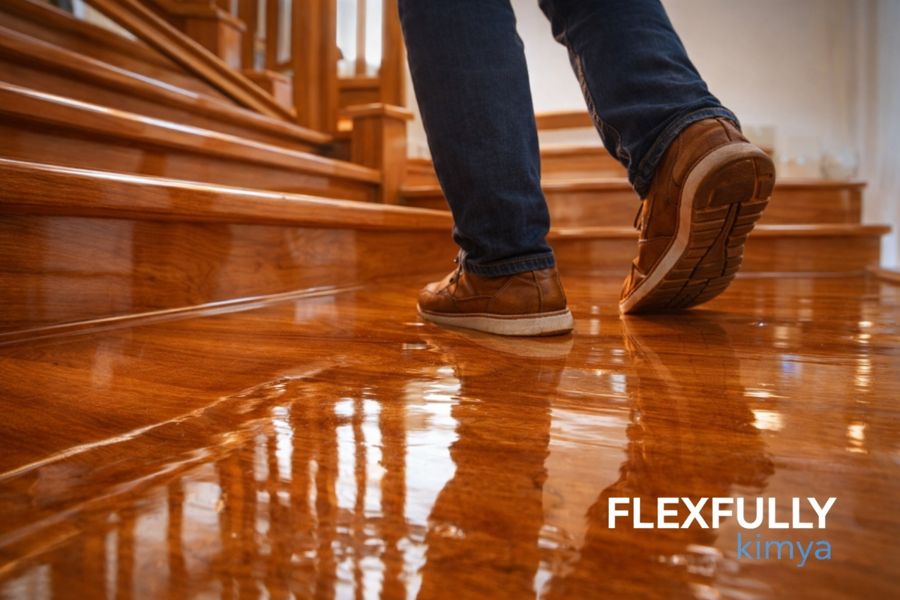
Epoxy clear coat (top coat)

A clear protective coat that adds gloss and scratch resistance over existing coatings, wood or decorative floors.

Thickness
Thin film
Typical use
Top-coat protection
Application
Roller, 1 - 2 coats
Material calculator

How much material do you need?

Enter your area and choose a system to see the approximate material needed. Send us the result on WhatsApp for an exact list.

Estimated total material

0 kg

    Values are approximate, based on average consumption. They vary with substrate absorbency, roughness and product type; please confirm with our technical team before ordering.

    Application steps

    How is epoxy floor coating applied?

    Surface preparation

    Concrete should be at least 28 days old and dry. The surface is opened up by grinding, dust and oil are fully removed, and cracks are filled with epoxy putty.

    Primer

    Epoxy primer is rolled on to seal the pores of the concrete and ensure adhesion of the main coat.

    Main coat

    The mixed epoxy is spread to the required thickness with a trowel and de-aerated with a spiked roller. Paint systems are rolled on in two coats.

    Curing

    Foot traffic is usually possible after 24 hours; vehicles and heavy use after about 7 days. Times vary with ambient temperature.

    Mixing ratio, application temperature and waiting times vary by product. Always follow the label and technical data sheet, and call us about any step you are unsure of.
    Ready to ship

    Epoxy floor coating products

    See all (7)
    FAQ

    Epoxy flooring FAQ

    How much does epoxy flooring cost per m²?
    Material cost depends on the system and thickness. Roller-applied epoxy floor paint is the most economical option; 2 mm self-leveling and metallic systems use more material per m². Use the calculator on this page to see the kilograms needed and send us your area on WhatsApp for an exact price.
    How long does epoxy flooring take to cure?
    At around 20°C the surface is usually walkable within 24 hours. Allow about 7 days of full curing before vehicle traffic or heavy use. Curing takes longer in cold conditions.
    Can epoxy flooring be used outdoors?
    Epoxy can yellow over time in sunlight (UV). For sun-exposed terraces, balconies and outdoor areas we recommend UV-resistant polyurethane products; epoxy performs best indoors.
    Can epoxy be applied over tiles?
    Yes, with proper preparation (sanding, cleaning) and the right primer. Grout lines must be filled first. Send us a photo and we will assess suitability together.
    Can I apply epoxy flooring myself?
    For small areas and roller-applied floor paints, yes. Self-leveling and metallic systems require more experience. After purchase we support you by phone and WhatsApp on mixing, application and curing.
    How many kilograms of epoxy do I need?
    Self-leveling epoxy needs about 1.5-1.7 kg/m² per 1 mm. For example, 50 m² at 2 mm requires roughly 160 kg of main coat and 12-13 kg of primer. The calculator above works this out for you.

    Let's choose the right epoxy system for your floor

    Send a photo and the size of the area; we will reply with product, quantity and price the same day.
    Call WhatsApp Quote